Home
/ How Can You Avoid Paying Interest On Your Credit Card : This fee could be $50, $100, or even more.
How Can You Avoid Paying Interest On Your Credit Card : This fee could be $50, $100, or even more.
How Can You Avoid Paying Interest On Your Credit Card : This fee could be $50, $100, or even more.. Most credit cards offer a grace period on purchases. Grace periods are at least 21 days. Before you pick up the phone to give your card issuer a call, it can help to do a little prep work up front. It almost sounds too good to be true, but you can sometimes score a lower interest rate on a credit card simply by asking for one. You will either have to pay the full amount, or settle for the interest rate.
If paying it off entirely is a concern, you can convert them into emis as they come at a lower interest rate than what would have paid. If you want to avoid paying interest on your credit cards by transferring the balances to a balance transfer card that offers a 0 percent intro apr, bankrate's balance transfer calculator can. If you really want to be diligent and avoid any possibility of paying interest charges, you should pay off new purchases on your credit card as you make the purchases. If you use a balance transfer, make a plan to pay off your credit card debt before the 0% introductory rate expires, so you can avoid paying any interest. It almost sounds too good to be true, but you can sometimes score a lower interest rate on a credit card simply by asking for one.
Living On Time With Your Credit Cards Evolving Personal Finance Evolving Personal Finance from test2.evolvingpf.com Interest charges are complicated, and credit cards can become expensive financial tools if the balances build up over time. This fee could be $50, $100, or even more. Many cash back credit cards offer a year or more of 0% intro apr, allowing you to avoid paying interest while you pay off your purchases. You should do whatever you can to make sure the bill is paid by the due date. For example, if your credit card statement balance is $1,000, you'll have to pay the full $1,000 to avoid being charged interest. Late or returned payments usually end the 0% introductory period, so always pay on time. So long as you don't carry a balance over from month to month, ideally, you should never pay an interest charge. In theory, avoiding interest is simple generally, you can avoid credit card interest by paying your balance in full every month before the end of the grace period.
Credit card companies will accept payment any time you want — even multiple times in a month.
For example, if you get paid twice a month and you can afford to pay $500 a month on your credit card, then pay $250 each time you get your paycheck. Pay the bill on time Paying off the balance in full if you're on a hunt to learn how to avoid credit card interest, one of the easiest ways to do this is by paying off the credit card balance in full, each month. So if you charge $100 to your credit card on the 1 st of february, the billing cycle closes on the 24 th, and the payment due date is on the 21 st of march, you have from feb 24 th to mar 21 st to pay your $100 balance off in full without paying any interest. Most credit cards offer a grace period on purchases. Credit card companies will accept payment any time you want — even multiple times in a month. Pay off your monthly balance in full the simplest way to avoid paying interest on your credit cards is to simply pay your bill off in full every month. The short answer is a resounding yes.. For example, let's say you need to. Interest charges are complicated, and credit cards can become expensive financial tools if the balances build up over time. You should do whatever you can to make sure the bill is paid by the due date. Pay your balances in full each month if you don't think you can manage the steps above, then all you have to do to avoid credit card interest payments is to pay your credit card balances off every month. For example, if your credit card statement balance is $1,000, you'll have to pay the full $1,000 to avoid being charged interest.
Paying your balance in full each month gives you a grace period to send payment and avoid paying interest. Check your credit reports and scores. For example, if you get paid twice a month and you can afford to pay $500 a month on your credit card, then pay $250 each time you get your paycheck. With most credit cards, you can avoid paying interest on new purchases if you pay off your whole balance by the payment due date each month. So long as you don't carry a balance over from month to month, ideally, you should never pay an interest charge.
Ways To Avoid Paying Credit Card Interest And Fees from static.imoney.ph It almost sounds too good to be true, but you can sometimes score a lower interest rate on a credit card simply by asking for one. In theory, avoiding interest is simple generally, you can avoid credit card interest by paying your balance in full every month before the end of the grace period. Interest charges are complicated, and credit cards can become expensive financial tools if the balances build up over time. Grace periods are typically 20 to 25 days, although you can find information about your credit card's specific grace period on your most recent credit card statement. That's why it's important to never charge a purchase to your credit card you can't afford to pay off within three weeks. One strategy to reduce your balance is to put some charges on a different credit card, one that you can avoid interest charges on by paying in full each month. Ask your card issuer for a reduction. If you use a balance transfer, make a plan to pay off your credit card debt before the 0% introductory rate expires, so you can avoid paying any interest.
If you can afford to pay your balance in full every month, doing so before your monthly statement closing date has the benefit of ensuring that no outstanding card balance is.
Otherwise, your next credit card statement will include an interest charge applied to the unpaid amount. Therefore the issuance of an interest free credit card will never be the best option. Understanding how interest is accrued on the card can help you understand more about how your payments are being applied and help you pinpoint methods for paying off your cards. If you really want to be diligent and avoid any possibility of paying interest charges, you should pay off new purchases on your credit card as you make the purchases. You can find the details of your credit card grace period in your billing statement. Pay off your monthly balance in full the simplest way to avoid paying interest on your credit cards is to simply pay your bill off in full every month. The grace period for payments on most credit cards means you pay no interest charges as long as you pay the full amount that appears on your account statement each month. Pay your balances in full each month if you don't think you can manage the steps above, then all you have to do to avoid credit card interest payments is to pay your credit card balances off every month. If you do not make your credit card payments on time, you can be hit with a late fee. Pay the bill on time So long as you don't carry a balance over from month to month, ideally, you should never pay an interest charge. Pay off your balance completely within the grace period and you can avoid paying any interest on your credit card. If you want to avoid paying interest on your credit cards by transferring the balances to a balance transfer card that offers a 0 percent intro apr, bankrate's balance transfer calculator can.
In theory, avoiding interest is simple generally, you can avoid credit card interest by paying your balance in full every month before the end of the grace period. You should do whatever you can to make sure the bill is paid by the due date. A credit card grace period is the window of time when you can make purchases on your card and avoid paying interest. Interest charges are complicated, and credit cards can become expensive financial tools if the balances build up over time. Credit card interest accrues on your daily.
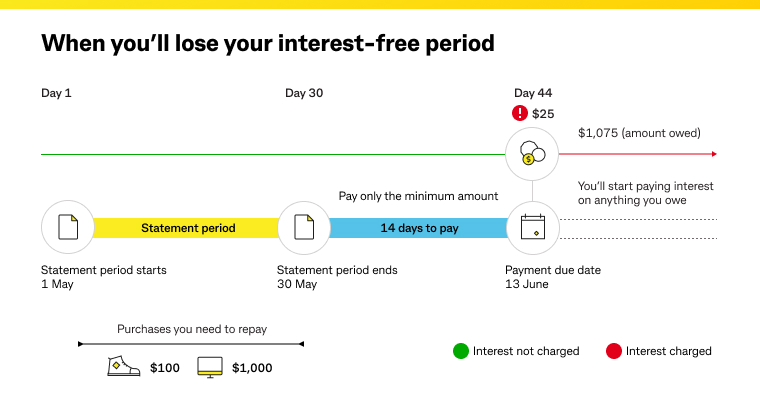
How Does Credit Card Interest Work from www.commbank.com.au One strategy to reduce your balance is to put some charges on a different credit card, one that you can avoid interest charges on by paying in full each month. Typically this is between the end of your billing cycle and the date on which your payment is due. Interest charges are complicated, and credit cards can become expensive financial tools if the balances build up over time. So if you charge $100 to your credit card on the 1 st of february, the billing cycle closes on the 24 th, and the payment due date is on the 21 st of march, you have from feb 24 th to mar 21 st to pay your $100 balance off in full without paying any interest. At the end of the promotion there will hardly be a chance to avoid the interest that will fall with an unreasonable rate. Grace periods are at least 21 days. Pay the bill on time In fact, if you pay your full balance every month, your credit card's interest rate mostly won't matter to you at all, as you won't pay interest on your balance.
Make sure you have the best rewards card for your purchasing habits.
Paying off your credit card in full not only helps you avoid paying interest, but it has many other benefits, including: Some credit cards come with an annual fee just for the privilege of using them. You can find the details of your credit card grace period in your billing statement. If you want to avoid paying interest on your credit cards by transferring the balances to a balance transfer card that offers a 0 percent intro apr, bankrate's balance transfer calculator can. Most credit cards offer a grace period on purchases. In fact, if you pay your full balance every month, your credit card's interest rate mostly won't matter to you at all, as you won't pay interest on your balance. For example, let's say you need to. Paying more than the minimum will reduce the interest you owe on your credit card balance. As long as you stay on top of your credit card balances, you can charge new purchases to your credit card and pay them off before your due date in order to avoid paying interest. Credit card companies will accept payment any time you want — even multiple times in a month. You should do whatever you can to make sure the bill is paid by the due date. The grace period for payments on most credit cards means you pay no interest charges as long as you pay the full amount that appears on your account statement each month. Many cash back credit cards offer a year or more of 0% intro apr, allowing you to avoid paying interest while you pay off your purchases.